The holidays have a way of changing how we use our homes. The kitchen gets…
What to Expect When Working With an Interior Designer (Even If You Don’t Know Your Style Yet)
One of the most common misconceptions about working with an interior designer is that clients are expected to begin the process with a fully formed vision — knowing exactly what they like, how they want their home to look, and having answers ready for every design decision ahead.
In reality, that is rarely how it works.
Many clients come to the process with something much less defined. They may know they are drawn to spaces that feel warm and layered, or clean and quiet. They may have saved images they respond to without understanding exactly why. Often, they can describe how they want a home to feel more easily than they can define a specific aesthetic.
That is not a limitation. In many ways, that is where the design process begins.
At TIPLER Design, discovering and refining those instincts is part of the work. Good interior design is rarely about asking clients to arrive with all the answers. It is about helping uncover them through conversation, curation, and a thoughtful process of interpretation.
Clients are often surprised to learn how much can be revealed simply by talking through the way they live. How they entertain. What routines matter most. What places have inspired them while traveling. Even passing comments about a favorite material, a hotel they loved, or a room that always felt comfortable can begin shaping a design direction.
Style often emerges from those conversations more naturally than people expect.
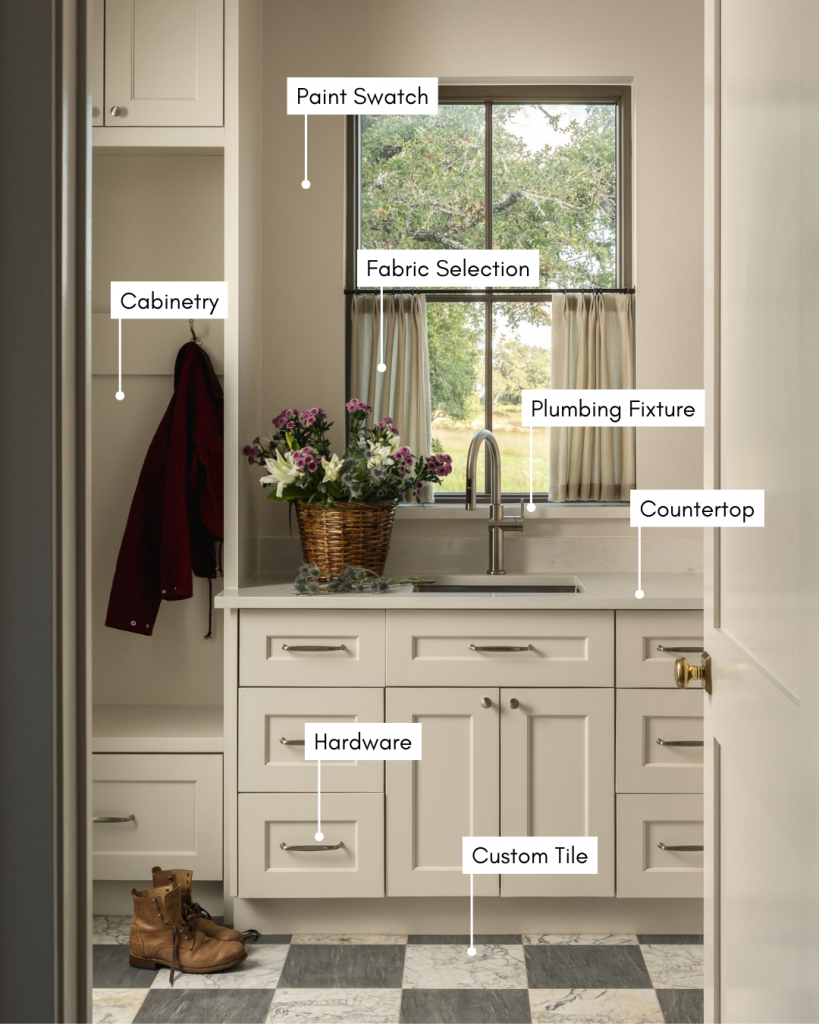
Another concern many clients have is the number of decisions involved. And it is true — designing a custom home can involve hundreds of selections, from architectural details and cabinetry to lighting, plumbing fixtures, furnishings, fabrics, and finishes.
But clients are not expected to navigate all of those decisions alone.
One of the greatest values a designer provides is not simply making selections, but editing them. Narrowing options. Bringing clarity. Presenting recommendations in a way that makes decisions feel thoughtful rather than overwhelming.
Instead of facing an endless sea of choices, clients are often responding to carefully curated options developed around an overall vision. That is a very different experience than trying to piece a home together one decision at a time.
In many cases, clients ask some version of the same question: Can I simply hand inspiration to a designer and trust them to help make it happen?
Often, yes.
A few collected images. A meaningful heirloom. A favorite piece of furniture. A mood or atmosphere a client wants to capture. Even references that seem unrelated at first can become part of a larger design language.
Part of the designer’s role is often reading between the lines — understanding what a client is drawn to, even before they know how to articulate it clearly themselves.
And that is often where the process becomes less about making endless decisions and more about collaboration.
The best design relationships do not feel burdensome. They feel guided.
There is a rhythm to a well-managed process — moments where the client weighs in, moments where the design team carries the work forward, and moments where ideas begin taking shape in ways neither could have fully envisioned at the outset.
For many clients, that realization can be unexpectedly freeing.
You do not have to know exactly what your style is before working with an interior designer. You do not need every answer before beginning. In many ways, discovering those answers through the process is part of what thoughtful design offers.
And often, that is where the most personal homes begin.
FREQUENTLY ASKED QUESTIONS
Not at all. Many clients begin with instincts rather than a clearly defined aesthetic, and part of the designer’s role is helping refine and translate those instincts into a cohesive home.
There are many decisions involved in a custom home, but a design team helps simplify the process by curating options, narrowing selections, and guiding clients through choices in a manageable way.
Yes. Even loose references or a general feeling you want the home to have can provide meaningful direction and often become a strong starting point.
That depends on personal preference. Some clients enjoy being involved in many decisions, while others prefer a more guided experience. A good design process can accommodate both.
Beyond creating beautiful spaces, designers bring clarity, cohesion, and expertise to a highly layered process—helping ensure the home feels both personal and thoughtfully resolved.
Related Posts