
The holidays have a way of putting a home to work. Dining tables grow longer…
5 Things to Know Before Building a Custom Home in Texas
Building a custom home gives you the opportunity to create something entirely your own. But before floor plans, finishes, and furnishings come into the conversation, there are decisions about the property itself that can shape what comes next.
In Texas, where homesites can range from established Austin neighborhoods to acreage in the Hill Country, understanding the land and the requirements that come with it is an important place to begin.
Here are five things worth knowing before you build.
1. The Homesite Will Influence More Than the View
A beautiful view may be what first draws you to a property, but there is much more happening beneath and around it.
Topography, elevation, existing trees, easements, access, drainage, soil and rock conditions, utilities, community restrictions, and even the direction the home faces can influence its design.
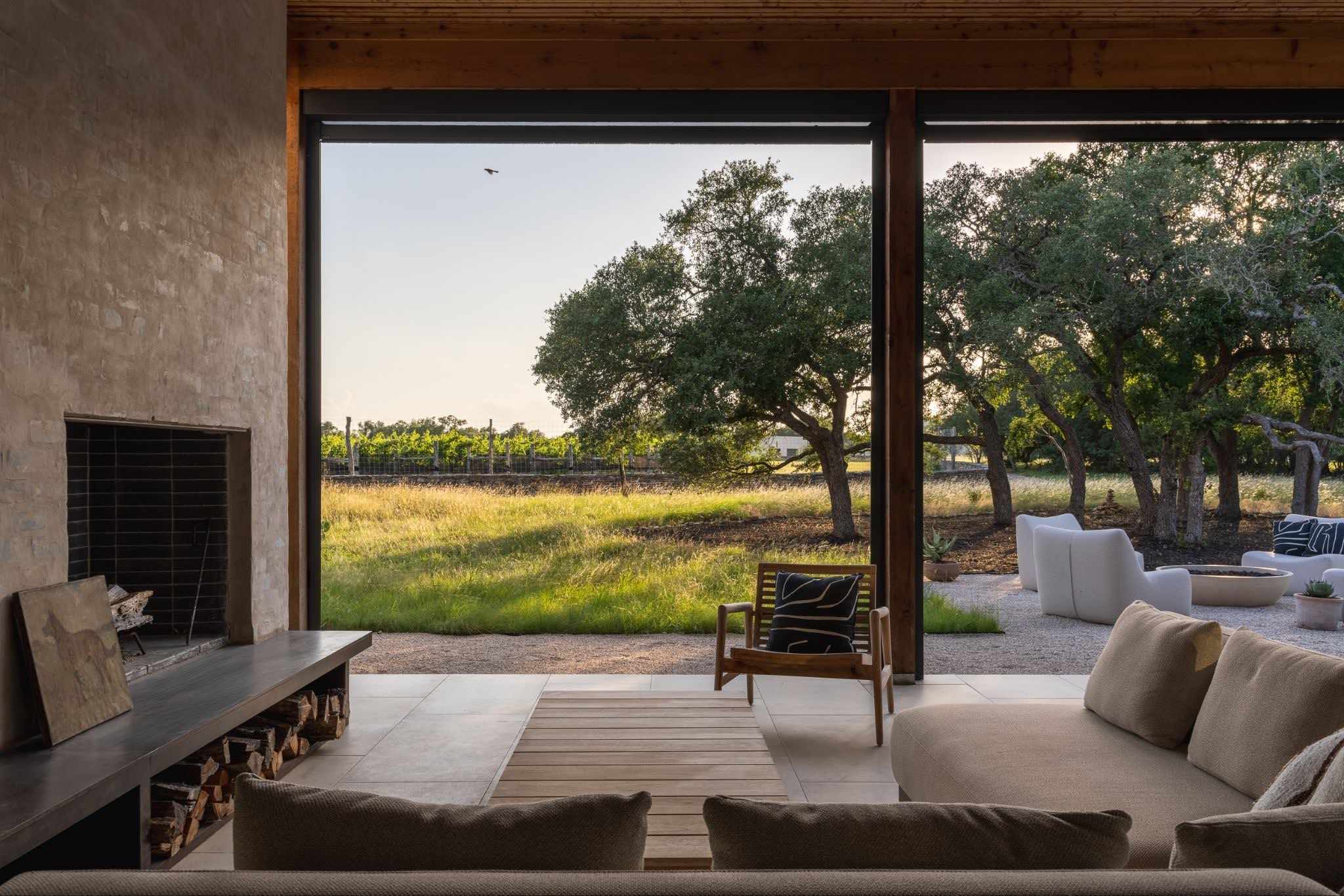
This becomes particularly important in the Texas Hill Country, where elevation changes and natural terrain can become defining characteristics of the architecture. Rather than approaching the property with a predetermined plan, a custom home can be designed in response to what makes that particular homesite special.
There can also be environmental requirements specific to the property. For example, certain residential properties within the Edwards Aquifer protection area may be subject to requirements related to impervious cover, which can include rooftops, driveways, sidewalks, concrete pads, and other surfaces that prevent water from soaking into the ground. (TCEQ)
In other words, understanding the land comes before deciding what belongs on it.
2. Infrastructure Isn’t Always Waiting at the Curb
Building on acreage can provide incredible privacy and flexibility, but it may also mean taking responsibility for infrastructure that would already exist in a more developed neighborhood.
Water, wastewater, electricity, site access, and driveway requirements are all worth investigating early.
Septic is a good example. Approximately 20% of new homes built in Texas use an on-site sewage facility, commonly known as a septic system, according to the Texas Commission on Environmental Quality. These systems are designed based on a site evaluation and local conditions, and soil or rock conditions can affect which type of system is appropriate for a particular property. (TCEQ)
These aren’t necessarily obstacles to building on a beautiful piece of land. They’re simply part of understanding what the property requires before design gets too far ahead.
3. Where You Build Determines More Than Your Address
There isn’t one universal set of requirements for building a custom home everywhere in Texas.
Texas has statewide residential energy-efficiency standards, while local jurisdictions are responsible for implementation and enforcement and may adopt qualifying local amendments. (Texas Comptroller)
That means the process of building within Austin can look different from building in another municipality or on acreage outside incorporated city limits. Permitting, inspections, development restrictions, utility requirements, and community guidelines can all vary depending on exactly where the property is located.
It’s another reason why where you’re building needs to be part of the conversation from the very beginning.
4. Water Has to Have Somewhere to Go
In Texas, we design for beautiful weather, but we also have to plan for the weather that isn’t.
Understanding how water naturally moves across a property can influence grading, drainage, driveway placement, finished-floor elevation, retaining conditions, landscaping, and the location of outdoor living spaces.
And on a sloped Hill Country property, those same elevation changes that create an incredible view can also require thoughtful site planning.
This is where practical considerations and good design aren’t separate conversations. They’re happening at the same time.
A well-planned home works with the characteristics of its site rather than treating them as something to solve later.
5. Assemble Your Team Before You Finalize the Plans
One of the earliest decisions you’ll make isn’t what the home will look like.
It’s who will help you create it.
Architecture affects construction. Construction considerations influence architecture. Interior decisions affect electrical plans, lighting, cabinetry, plumbing, structural details, and countless other elements long before anyone begins selecting furniture.
Bringing those disciplines together early creates an opportunity to make decisions collaboratively while the home is still taking shape.
At TIPLER Group, our integrated approach brings architecture, interior design, and construction together from the beginning, allowing each discipline to inform the others throughout the process.
Start With the Right Questions
Building a custom home in Texas begins well before construction.
It begins with understanding the property, learning what the land allows, identifying the requirements of the location, and assembling a team capable of seeing the project as a whole.
Whether you’re considering a custom home in Austin, the Texas Hill Country, Montgomery, or somewhere in between, those early decisions create the foundation for everything that follows.
Planning a custom home in Texas? We’d love to start the conversation.
Related Posts